Zebra Font: A Bold Choice for Embroidery
As an experienced designer and embroidery product reviewer, I’ve evaluated countless machine embroidery designs. Zebra Font stands out for its striking visual presence and versatility. Whether you're creating custom apparel, personalized gifts, or small business merchandise, this design has potential—but it also requires careful consideration.
The First Impression: A Strong Visual Statement
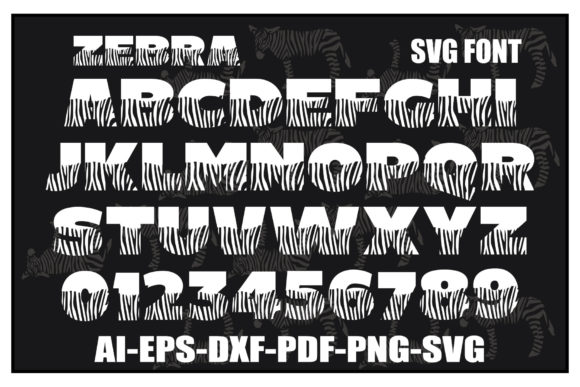
Zebra Font immediately grabs attention with its bold, high-contrast pattern. The black-and-white stripes create a dynamic mood that feels both modern and playful. It’s not subtle, but that’s part of its charm. This design is ideal for projects that need a strong visual identity, such as tote bag designs, sweatshirt embroidery, or baby items that require a clear, recognizable motif.
The layout is clean and structured, making it easy to adapt for different sizes and placements. However, the detail level is relatively low, which means it may not be the best choice for intricate work. Instead, it shines in applications where simplicity and impact matter most.
Real-Life Use Cases: Where Zebra Font Fits Best
Imagine you’re working on a custom embroidered tote bag for a client who wants something eye-catching. Zebra Font could be the perfect fit. Its bold lines make it visible from a distance, and the contrast ensures it stands out against light or dark fabric. Similarly, if you're creating a sweatshirt for a boutique brand, this design could add a unique touch that sets your product apart.
For baby items, Zebra Font could work well as an embroidered patch or on a onesie. The design is simple enough to avoid overwhelming delicate fabrics, yet distinctive enough to make a statement. It also pairs well with other patterns, allowing for creative layering in applique designs.
In holiday or wedding gift projects, Zebra Font can serve as a decorative accent. It adds a touch of sophistication without being too formal, making it suitable for both casual and semi-casual occasions.
Where to Be Cautious: Limitations and Challenges
While Zebra Font is visually appealing, it’s not a one-size-fits-all solution. For instance, small hoop sizes may struggle to accommodate the design’s width, leading to stitching issues. If you're working on a cap or a hat, the curved surface could distort the design unless you adjust the placement carefully.
Textured or stretchy fabrics might also pose challenges. The design’s high-contrast stripes could blend into the fabric’s texture, reducing visibility. Thin or dark fabrics may require additional thread color contrast to ensure the design remains legible.
Additionally, dense stitch areas or tiny lettering could lead to puckering or distortion. It’s important to review the stitch density and test the design on scrap fabric before committing to a final project.
Impact on Visual Appeal and Customer Perception
Zebra Font can elevate the visual appeal of any handmade product. Its bold style makes it instantly recognizable, which is great for branding and product differentiation. When used effectively, it can increase the perceived value of a finished product, especially when paired with high-quality materials and professional stitching.
Customers often respond positively to unique and eye-catching designs. Zebra Font can help build trust in your work by showing that you understand how to balance style with functionality. It also enhances the giftability of your products, making them more attractive for personal or commercial use.
Practical Designer Notes: Testing and Preparation
Before using Zebra Font in a real project, always test it on scrap fabric. This helps you assess how the design looks on different materials and identify any potential issues early on. Check thread color contrast, especially if you're using dark or light backgrounds.
Review the stitch density to ensure it matches the fabric type. For example, a lightweight fabric may require a lower stitch count to prevent puckering. Confirm the hoop size needed for your machine and inspect small details to ensure they remain sharp after stitching.
Test the design in black and white mockups to see how it translates without color. Compare it on light and dark fabric backgrounds to determine the best application. Always use the proper stabilizer, especially for stretchy or textured fabrics.
Finally, confirm that the design is suitable for both personal and commercial projects. Check the licensing terms before selling finished items or digital products to avoid any legal issues.
Conclusion: A Design That Demands Attention
Zebra Font is a strong, versatile design that can enhance a wide range of embroidery projects. Its bold style makes it ideal for custom apparel, tote bags, baby items, and holiday gifts. However, it requires thoughtful application to ensure it looks its best on different fabrics and in various settings.
As an embroidery designer, I recommend using Zebra Font with care, testing it thoroughly, and considering its limitations. When used correctly, it can add a unique and memorable touch to your handmade products, helping you stand out in a competitive market.