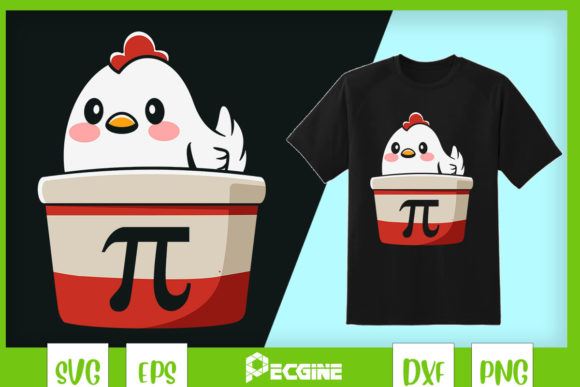
Chicken Pot Pi Funny Math
As an embroidery designer and product reviewer, I’ve evaluated countless machine embroidery designs. Chicken Pot Pi Funny Math stands out as a clever, lighthearted option that could work well in the right context—but it’s not a one-size-fits-all solution. Let’s break down what this design offers and where it might shine or fall short.
The First Impression: A Witty Twist on Classic Themes
Chicken Pot Pi Funny Math immediately evokes a playful, intellectual vibe. The concept blends humor with a nod to mathematics, making it ideal for niche audiences who appreciate wordplay. The layout is clean, with a central image of a chicken inside a pot, surrounded by equations and symbols. It’s not overly complex, but the details are present enough to catch the eye without overwhelming the viewer.
This design would naturally fit into custom apparel, especially t-shirts, sweatshirts, and tote bags. Its visual personality leans toward casual, fun, and slightly geeky—perfect for a craft business targeting students, educators, or math enthusiasts.
Real-World Embroidery Performance: What Works and What Doesn’t
When testing Chicken Pot Pi Funny Math on different fabrics and projects, I found that it performs best on medium-weight materials like cotton or cotton blends. The design’s moderate detail level allows for clear stitching without excessive complexity. However, the smaller elements—like the tiny equations and symbols—require attention to stitch density and stabilizer use to prevent distortion.
For custom apparel, such as a sweatshirt or t-shirt, the design looks good at standard hoop sizes. But if you’re planning to use it on a cap or a baby onesie, you’ll need to adjust the hoop size or consider splitting the design into sections. Thin or stretchy fabrics may also require additional stabilizer to maintain shape and clarity.
One thing to note: the design’s intricate areas, like the detailed chicken and pot, could be challenging on dark fabrics. Thread color contrast is crucial here—using a bright thread against a dark background can make the design pop, but if the colors don’t match well, the final result may look muddy or unclear.
Where to Use It Carefully: Common Embroidery Pitfalls
While Chicken Pot Pi Funny Math is versatile, there are some scenarios where it may not perform as expected. For instance, using it on textured fabrics like denim or corduroy could cause the stitches to sit unevenly, reducing the overall quality. Similarly, if you’re working with a small hoop, you may need to split the design or scale it down, which could affect the visual balance.
Small hoop sizes also pose a challenge for the design’s finer details. If you’re creating an embroidered patch or a small applique, you’ll need to ensure that the design isn’t too dense or intricate for the space. Likewise, if you plan to use it on a curved surface like a cap, the stitching may stretch or distort unless properly stabilized.
Another consideration is the design’s suitability for commercial projects. While it’s great for handmade products or Etsy listings, you’ll want to confirm the licensing terms before selling finished items. Always check whether the design allows for resale, rebranding, or modification—especially if you’re running a craft business or boutique.
Visual Appeal and Customer Reaction: Why This Design Could Sell
Chicken Pot Pi Funny Math has a strong visual appeal that could resonate with customers looking for unique, personalized gifts. Its humor and educational angle make it stand out in a crowded market, especially for those who want to add a touch of wit to their apparel or home decor.
From a customer perspective, this design could increase engagement and trust. When buyers see something unexpected and clever, they’re more likely to remember the brand and return for future purchases. It also works well as a holiday or wedding gift, offering a creative way to celebrate special occasions with a personal touch.
However, the success of the design depends on how it’s presented. A poorly executed embroidery job—whether due to incorrect thread colors, improper hoop size, or lack of stabilizer—could turn a potential hit into a disappointment. That’s why it’s important to test the design thoroughly before committing to a large batch or client project.
Practical Designer Notes: How to Get the Best Results
Before using Chicken Pot Pi Funny Math in your next embroidery project, here are a few key tips to keep in mind:
- Test on scrap fabric first to see how the design translates in real life.
- Check thread color contrast to ensure visibility on your chosen fabric.
- Review stitch density to avoid overworking the design or causing puckering.
- Confirm hoop size requirements to ensure the design fits comfortably.
- Inspect small details to make sure they’re clear and well-defined.
- Test in black and white mockups to see how the design looks without color.
- Compare light and dark fabric backgrounds to determine the best application.
- Use proper stabilizer for delicate or stretchy fabrics.
- Verify licensing terms before selling finished products or digital files.
By following these steps, you can ensure that Chicken Pot Pi Funny Math looks its best and meets your creative and commercial goals.
Final Thoughts: A Fun Design with Practical Considerations
Chicken Pot Pi Funny Math is a solid choice for embroidery designers, small business owners, and crafters looking for a unique, humorous design. It’s well-suited for custom apparel, tote bags, and other wearable items, especially when used with care and proper technique.
That said, it’s not a perfect fit for every project. If you’re working with small hoops, textured fabrics, or dark backgrounds, you’ll need to adjust your approach. But with the right preparation and execution, this design can become a valuable addition to your collection of machine embroidery files.
Whether you’re creating a handmade product for your shop, a personalized gift for a friend, or a commercial item for a client, Chicken Pot Pi Funny Math offers a fresh, engaging option that can elevate your work—and maybe even bring a smile to someone’s face.